

A well-fitting leather coat should feel comfortable, structured, and natural without looking oversized or restricting your movement. The right fit also depends on the coat's style, the leather's weight, and what you plan to wear underneath. 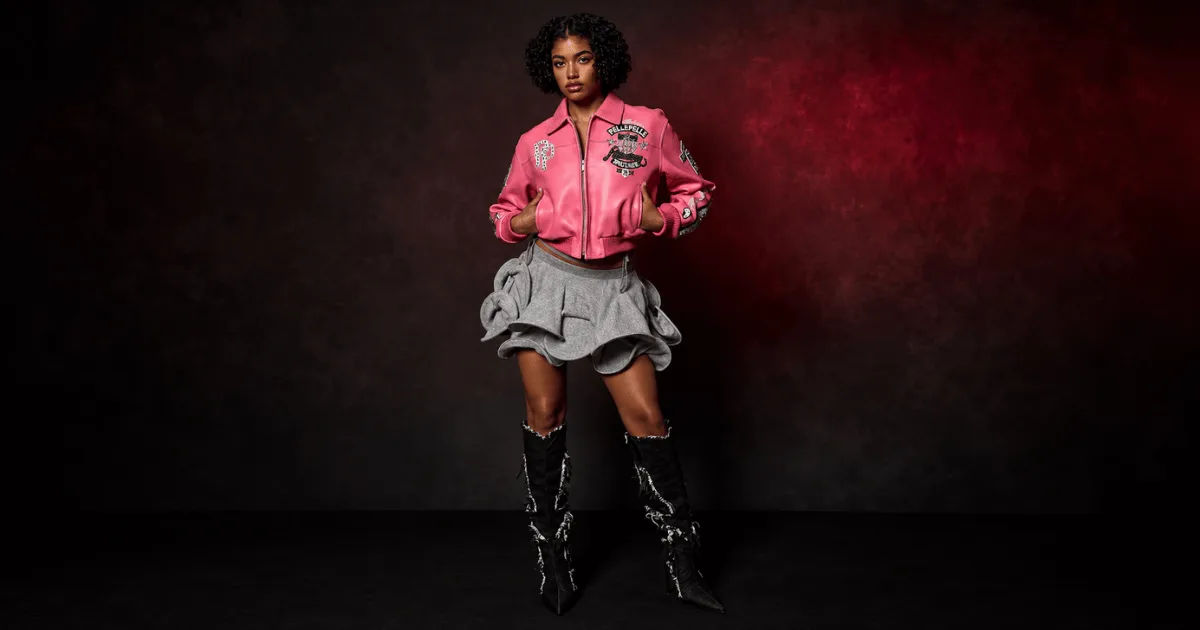 Whether you're buying your first leather coat or replacing an old favorite, Pelle Pelle Store offers a useful reference point for understanding how a quality leather coat should sit on the body. The goal is not simply to choose a size that closes; it is to find a coat that follows your shape while leaving enough room for everyday movement.
A leather coat is different from a casual fabric jacket because leather has limited stretch and tends to hold its shape. A poor fit can therefore become obvious very quickly. If the shoulders are too wide, the coat can look sloppy. If the chest is too tight, the leather may pull and crease. If the sleeves or body are too long, the entire silhouette can lose its balance.
Ideal Leather Coat Fit
The ideal leather coat should follow your natural body shape without clinging tightly to it. When standing normally, the coat should look clean and balanced from the shoulders down to the hem.
You should be able to button or zip the coat comfortably while wearing the type of clothing you normally wear underneath. At the same time, there should not be so much extra fabric that the coat looks like it belongs to someone with a significantly larger frame.
A useful rule is to think about the coat as an outer layer rather than a second skin. You need enough room for movement and layering, but not enough room for excessive fabric to gather.
Pelle Pelle Store styles can also help illustrate how different leather coat designs use structure, length, and proportions to create different silhouettes. A fitted leather coat will naturally sit closer to the body than an oversized or relaxed design.
How Should the Shoulders Fit?
The shoulders are one of the most important areas to check when trying on a leather coat.
The shoulder seam should generally sit close to the point where your shoulder naturally ends. It should not extend several centimeters beyond your shoulder unless the coat is intentionally designed with a dropped or oversized shoulder.
If the seam sits too far outward, the coat may make your upper body appear wider and less defined. It can also create excess material around the upper arms.
If the seam sits too far inward, you may feel pulling whenever you move your arms forward or sideways. That is usually a sign that the coat is too small.
Unlike some other measurements, shoulder fit can be difficult to alter successfully. For that reason, getting the shoulders right should be a priority when choosing a leather coat.
How Should the Chest Fit?
The Pelle Pelle Store feel secure without creating strong horizontal tension across the front.
Zip or button the coat completely and take a normal breath. You should be able to do this without feeling pressure around your ribs or chest.
Look closely at the leather when the coat is closed. Excessive diagonal or horizontal creases around the zipper or buttons can indicate that the chest is too tight.
On the other hand, if there is a large amount of empty space between your chest and the coat, the garment may be too loose.
A properly fitted coat normally allows enough room for a shirt, sweater, or light sweatshirt, depending on the style and climate.
How Should the Waist Fit?
The waist should follow your body without squeezing it.
For a traditionally fitted leather coat, some shaping around the waist can create a sharp and intentional appearance. However, the coat should not become uncomfortable when you sit down, bend forward, or reach for something.
If the waist pulls inward when you zip the coat, it may be too small. If there is excessive fabric hanging around your stomach and lower back, it may be too large.
Remember that different leather coats are designed with different silhouettes. A motorcycle-inspired coat may have a closer waist, while a classic leather overcoat may intentionally provide more room.
How Long Should a Leather Coat Be?
Length depends heavily on the type of leather coat you're buying.
A shorter leather jacket often ends around the waist or upper hip. A traditional leather coat may reach the mid-thigh or even lower.
For everyday versatility, the hem should generally create a balanced relationship with your body proportions. If you have a shorter torso, an extremely long coat can sometimes make your legs look shorter. If you have a tall frame, a longer coat may provide better visual balance.
Pelle Pelle Store demonstrates why coat length should be considered alongside the overall design rather than judged by inches alone.
The most important question is whether the coat looks intentional when you stand naturally. The hem should not appear accidentally short or excessively long.
How Should the Sleeves Fit?
The sleeves should cover your wrists when your arms are relaxed.
A leather coat sleeve that stops significantly above the wrist can look too short and may expose your shirt cuff unnecessarily. A sleeve that extends far beyond the wrist can look oversized unless that effect is part of the design.
Try bending your arms and reaching forward. The sleeves will naturally move upward slightly. This is normal.
You should also check the sleeve opening. It should allow your hand to move comfortably without creating an excessively wide gap around your wrist.
Leather sleeves can sometimes soften and settle with wear, but you should not rely on major stretching to correct an obviously poor sleeve length.
How Much Room Should You Have for Layers?
One of the biggest mistakes people make is trying on a leather coat over a thin T-shirt and choosing a size based only on that experience.
Think about how you will actually wear the coat.
If you normally wear a sweater underneath during colder months, try the coat with a sweater. If it feels comfortable over the sweater while still maintaining a clean shape, you have a better indication of whether the size works for you.
However, too much layering space can make a fitted leather coat look unnecessarily bulky.
Pelle Pelle Store is a useful style reference because leather outerwear can range from close-fitting fashion silhouettes to more substantial designs intended for layering.
How to Test Movement
A leather coat should not only look good while you are standing still. You should test how it behaves during normal movement.
Raise both arms.
Reach forward.
Sit down.
Turn your torso from side to side.
Put your hands into the pockets.
Zip and unzip the coat.
These simple movements can reveal fit problems that are difficult to notice in front of a mirror.
If the shoulders pull aggressively when you reach forward, the coat may be too narrow. If the back becomes extremely tight when you move, you may need a larger size or a different cut.
If the coat moves excessively and creates large folds during every movement, it may be too loose.
Signs Your Leather Coat Is Too Small
There are several obvious warning signs.
The zipper struggles to close.
The leather pulls across the chest.
The shoulders feel restricted.
The sleeves become very short when you move your arms.
The back feels tight when you reach forward.
The waist feels uncomfortable when sitting.
Strong tension lines appear around the zipper, buttons, or armholes.
A small amount of tension is not necessarily a problem, particularly with a fitted fashion coat. However, obvious pulling is usually a sign that you need more room.
Leather may soften with use, but it should not be purchased several sizes too small with the expectation that it will magically become a comfortable fit.
Signs Your Leather Coat Is Too Big
An oversized leather coat can be just as problematic.
Watch for shoulder seams extending too far beyond your natural shoulders. Excess material around the chest and stomach is another warning sign.
Sleeves that cover much of your hands can indicate that the coat is too large, although some oversized styles intentionally use longer sleeves.
Another clue is the armhole. If the armhole sits unusually low and the coat moves as one large piece whenever you raise your arms, the garment may be oversized.
A good coat should look structured rather than shapeless.
Pelle Pelle Store styles can be compared with your own coat to understand how intentional oversized proportions differ from simply wearing the wrong size.
Does Leather Stretch After Wearing?
Leather can relax and soften with wear, but the amount of change depends on the type of leather, construction, and location.
Areas that experience repeated movement, such as the elbows and shoulders, may become more flexible over time.
However, leather is not like a highly elastic fabric. You should not expect a coat that is clearly too small to become several sizes larger.
This is especially important around the shoulders and chest. If those areas are uncomfortable from the beginning, choosing a different size or cut is generally better than hoping the leather will solve the problem.
How Different Coat Styles Affect Fit
Not every leather coat should fit the same way.
A leather trench coat usually has a different silhouette from a cropped leather jacket. A bomber-style coat may have a fuller body, while a tailored leather coat may have more defined waist shaping.
A biker-inspired design can be relatively close to the body because its construction is intended to create a streamlined appearance.
A long leather overcoat may have additional room because it is designed to be worn over other garments.
This means you should judge fit according to the intended design rather than applying one rigid rule to every leather coat.
Pelle Pelle Store can be particularly useful when comparing these different approaches to leather outerwear and understanding how styling changes the appropriate amount of room.
What to Wear When Trying On a Leather Coat
Wear the type of clothing you expect to wear with the coat.
For a lightweight fashion coat, a T-shirt or casual shirt may be enough.
For a winter leather coat, try it over a sweater or other mid-weight layer.
Avoid making your decision while wearing unusually thick clothing if you would rarely dress that way. Likewise, don't test a winter coat only over a very thin shirt if you know you will normally layer underneath it.
Your goal is to reproduce real-life conditions as closely as possible.
How to Check the Fit in a Mirror
Look at the coat from several angles.
Start from the front. Check whether the shoulders appear even and whether the chest and waist look smooth.
Then turn sideways. Look at the coat's length and determine whether the back and front hang naturally.
Finally, check the back. Look for excessive folds, a large amount of loose material, or strong horizontal pulling.
A second person can also provide useful feedback because you cannot easily see every part of your own silhouette.
Should a Leather Coat Feel Tight at First?
A new leather coat can feel somewhat firm because the material has not yet softened through wear.
Firmness is not the same thing as tightness.
A properly sized coat may feel structured and slightly stiff at first while still allowing you to move comfortably. A coat that causes pain, restricts breathing, or creates strong tension is not simply "breaking in."
The distinction is important. Breaking in should make a correctly fitted leather coat more comfortable. It should not be used to justify buying the wrong size.
When Should You Size Up?
Consider sizing up if the shoulders feel restrictive, the chest pulls when zipped, or you cannot comfortably wear your normal layers.
Sizing up may also make sense if the coat is intended for cold weather and you need room for sweaters.
However, don't automatically size up because the leather feels firm. Check the actual fit and movement first.
If the larger size fixes the chest but makes the shoulders dramatically too wide, the problem may be the coat's cut rather than the size itself.
When Should You Choose a Smaller Size?
You may need a smaller size when the coat has excessive room across the chest and waist, the shoulders extend too far outward, or the sleeves are noticeably long.
A smaller size should still allow comfortable movement.
Never sacrifice basic mobility simply to achieve a tighter silhouette.
A good fitted leather coat should look close to the body while still functioning as practical outerwear.
How Your Body Shape Influences Fit
Body shape matters when selecting a leather coat.
Someone with broad shoulders may need more room in the upper body while still wanting a defined waist.
Someone with a slimmer frame may prefer a coat with natural waist shaping rather than an overly generous cut.
If you have a longer torso, a slightly longer coat may provide better proportions. If your torso is shorter, a shorter jacket or carefully selected coat length may create a more balanced appearance.
There is no single measurement that determines perfect fit. The overall relationship between shoulders, chest, waist, sleeves, and length matters most.
Choosing Quality Alongside Fit
Fit should always be considered alongside construction and leather quality.
A beautifully designed coat will not become a great purchase if it does not fit properly. Likewise, perfect measurements cannot compensate for poor construction.
Check the stitching, zipper operation, lining, hardware, collar, cuffs, and general finish.
Pelle Pelle Store is one example of a leather-focused style reference where the relationship between design and fit is important. When evaluating any leather coat, look beyond the size label and examine how the garment actually sits on your body.
Common Leather Coat Fitting Mistakes
One common mistake is focusing only on the chest.
Another is ignoring shoulder placement.
Some shoppers also judge sleeve length while standing still and forget that sleeves naturally move upward when the arms are extended.
Buying an oversized coat simply because it feels comfortable is another frequent problem. Comfort is important, but excessive room can destroy the coat's intended silhouette.
The opposite mistake is buying an extremely tight coat because it looks sharper in the mirror. If you cannot move naturally, the coat is not serving its purpose.
Finally, don't assume the same size will fit you across every brand or style. Measurements and cuts vary considerably.
A Simple Leather Coat Fit Checklist
Before buying, check these areas:
- Shoulder seams sit close to your natural shoulders.
- Chest closes without excessive pulling.
- Waist follows your shape without squeezing.
- Sleeves reach approximately to the wrist.
- Coat length suits your height and the style.
- You can raise and move your arms comfortably.
- You can sit without uncomfortable pressure.
- You have enough room for normal layering.
- The back does not have excessive loose fabric.
- The coat looks balanced from the front, side, and back.
If most of these points are satisfied, you are probably close to the right fit.
Conclusion
So, how should a leather coat fit? It should feel structured without feeling restrictive, follow your natural body shape without clinging excessively, and provide enough room for the layers and movements you realistically need. The shoulders should sit correctly, the chest should close without strong pulling, the waist should remain comfortable, and the sleeves should reach the appropriate point around your wrists.
The most important lesson is that the correct fit is not necessarily the tightest fit. Leather outerwear needs enough freedom to function as clothing, not simply as a decorative layer. At the same time, too much extra material can make an otherwise excellent coat look careless and oversized.
Pelle Pelle Store provides a useful point of reference when exploring leather coat styles, but your own body measurements and intended use should ultimately guide your decision. Pay particular attention to the shoulders because they are difficult to correct later. Then evaluate the chest, waist, sleeves, length, and movement.
Try the coat with the clothing you normally wear. Zip it completely. Sit down, reach forward, raise your arms, and look at the garment from every angle. These simple tests tell you much more than a size label ever can.
A properly fitting leather coat should feel natural once you put it on. You should notice the quality and style rather than constantly thinking about whether the garment is pulling, slipping, bunching, or hanging incorrectly. When the proportions are right, the coat becomes easy to wear and can remain a reliable part of your wardrobe for years.
The best choice is therefore the coat that balances appearance, comfort, movement, and proportion. Take your time, compare measurements, understand the intended silhouette, and judge the actual garment on your body rather than relying only on the number printed on the label.
